Porcelain Countertops

Dekton vs Porcelain: The Ultimate Countertop Showdown – Which One Wins?

Introduction: The Great Countertop Debate

If you’re planning a home renovation, selecting the right countertop material is crucial. Among the top contenders are Dekton and Porcelain, both known for their durability, style, and practicality. But which one is better for your home? This article will break down the key differences between Dekton vs Porcelain, so you can make an informed choice. Whether you’re remodeling a kitchen, upgrading your bathroom, or looking for outdoor surfaces, we’ve got you covered.


Dekton vs Porcelain: A Quick Overview

Before diving into the details, let’s quickly compare the two materials:

Feature Dekton Porcelain
Composition Blend of porcelain, glass, and quartz Hard-glazed ceramic material
Porosity Extremely low (Non-porous) Low (Comparable to quartz)
Scratch Resistance High (Mohs scale 7/10) Good, but slightly less resistant than Dekton
Heat Resistance Withstands up to 300°C Withstands up to 150°C
UV Resistance Excellent for outdoor applications Also UV resistant but may discolor over time
Stain Resistance Highly resistant Highly resistant
Thickness Options Available in various thicknesses Comes in larger sheet sizes
Warranty 25 years Lifetime warranty (varies by brand)
Price More expensive More cost-effective
Installation Complexity More labor-intensive Easier to fabricate and install

Now, let’s break these factors down in detail.


Durability: Which One Lasts Longer?

Both Dekton and Porcelain are extremely durable, but there are some notable differences.

  • Dekton is engineered using an ultra-compaction process, making it nearly indestructible. It is highly resistant to scratches, stains, heat, and UV rays.
  • Porcelain, on the other hand, is still very durable but slightly more prone to chipping and cracking under heavy impact compared to Dekton.

If longevity and resilience are your top concerns, Dekton has the upper hand.


Heat and Scratch Resistance: Can They Handle the Pressure?

  • Dekton is virtually impervious to heat, handling temperatures up to 300°C without damage. You can place hot pots and pans directly on the surface without worrying about burn marks.
  • Porcelain is also heat-resistant, but its tolerance is lower, around 150°C. Using trivets is recommended to prevent damage.

For scratch resistance, both materials perform well, but Dekton is slightly stronger, scoring 7/10 on the Mohs scale, making it harder to scratch than porcelain.

Winner: Dekton for superior heat and scratch resistance.


Water and Stain Resistance: How Do They Compare?

Both Dekton and Porcelain are non-porous, meaning they resist water absorption and stains exceptionally well.

  • Dekton has almost zero porosity, making it ideal for outdoor use and areas with high moisture levels.
  • Porcelain is also non-porous, but since it has some degree of porosity, certain liquids may leave marks if not cleaned immediately.

Both materials are ideal for kitchen and bathroom countertops, offering effortless cleaning and maintenance.

Winner: Dekton for ultra-low porosity.


Design and Aesthetic Appeal: Which One Looks Better?

When it comes to design versatility, both Dekton and Porcelain offer stunning options:

Dekton comes in a variety of textures and finishes, mimicking natural stone, concrete, and wood grains. Its sleek and modern appearance makes it a favorite for luxury homes.

Porcelain has nearly unlimited design options, including marble, granite, and even metallic or fabric-like finishes. It can be printed with high-definition images for a realistic look.

Winner: Tie! Both materials provide incredible design flexibility.


Installation and Fabrication: Which One is Easier?

  • Porcelain is easier to cut and install, as it comes in larger slab sizes with thinner profiles.
  • Dekton is extremely hard and dense, making fabrication more challenging. It requires special tools and professional installation.

If you’re looking for a hassle-free installation, porcelain is the better choice.

Winner: Porcelain for easier installation.


Cost: Which One Fits Your Budget?

Price is often a deciding factor when choosing a countertop material:

  • Dekton is more expensive due to its advanced engineering and superior durability.
  • Porcelain is generally more affordable, with larger sheet sizes allowing for fewer seams and less waste.

If you’re working on a budget-friendly project, porcelain may be the better option.

Winner: Porcelain for affordability.


Best Uses for Dekton and Porcelain

Application Dekton Porcelain
Kitchen Countertops Perfect for high-traffic use Durable and easy to clean
Bathroom Countertops Highly resistant to moisture Great for humid environments
Outdoor Kitchens Best choice for UV and heat resistance Works well but may fade over time
Flooring Suitable for heavy use Lightweight and easy to install
Wall Cladding Modern and sleek Available in large panels for seamless designs
Furniture Used in high-end designs Lightweight and flexible options

Final Verdict: Choose Dekton if you want extreme durability, and Porcelain if you prefer affordability and ease of installation.


Frequently Asked Questions

Is Dekton better than porcelain?

Dekton offers superior durability, heat resistance, and scratch resistance. However, porcelain is more affordable, easier to install, and comes in larger sheets.

Can Dekton and porcelain be used outdoors?

Yes! Dekton is UV-resistant and highly recommended for outdoor use, while porcelain is also UV-resistant but may show signs of fading over time.

Which is easier to maintain?

Both materials are low-maintenance, requiring only regular cleaning with mild soap and water.

Is Dekton more expensive than porcelain?

Yes, Dekton is generally more expensive due to its advanced manufacturing process and superior durability.

Can you cut directly on Dekton or porcelain countertops?

It’s always best to use cutting boards, even though both materials are scratch-resistant.


Final Thoughts: Which One Should You Choose?

Choosing between Dekton vs Porcelain depends on your needs, budget, and aesthetic preferences.

🔹 If extreme durability, heat resistance, and outdoor usability are priorities, go for Dekton.
🔹 If you prefer a budget-friendly, stylish, and easy-to-install option, porcelain is the better choice.

Both materials are excellent choices for modern, stylish, and long-lasting countertops. The decision ultimately comes down to what works best for your home!

Looking for More Countertop Options?

Still unsure about Dekton vs Porcelain? Explore other countertop materials in our guide to different types of countertops.

For more details on Dekton’s unique features and color options, visit the official Cosentino Dekton page.

Ready for a quote? Fill out the form below to get expert advice and pricing for your countertop project. Let’s bring your vision to life!

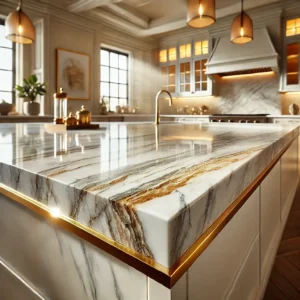
Mitered Edge Countertop: Durable Style for Kitchens & Bathrooms

Mitered Edge Countertop: Durable Style for Kitchens & Bathrooms

Countertops do more than serve as work surfaces—they define the look and feel of a room. One countertop style gaining widespread attention is the mitered edge countertop. Its sleek, seamless design and outstanding durability make it a top choice for kitchens, bathrooms, and other modern interiors. Whether you’re renovating your kitchen, upgrading a bathroom vanity, or designing a new laundry area, a mitered edge countertop delivers both elegance and lasting performance.

Mitered edge countertop in a modern kitchen.

What Is a Mitered Edge Countertop?

A mitered edge countertop forms when fabricators cut two slabs at 45-degree angles and join them to create a flawless seam. This technique creates the illusion of a thicker countertop without the extra weight. The result is a crisp, square edge that gives quartz, granite, marble, or porcelain a seamless, luxurious finish. While it’s most popular in kitchens, mitered edges also enhance bathrooms, laundry rooms, and custom office desks.

Why Choose This Sleek Countertop Design for Kitchens and Bathrooms?

Designers and homeowners love the clean, bold aesthetic of the mitered edge. It provides a polished transition from countertop to waterfall edges, blending modern design with practical strength. Whether you prefer a minimalist kitchen or a dramatic island centerpiece, this edge style adapts beautifully to different materials and layouts.

Top Benefits of Seamless Countertops

1. Clean and Luxurious Finish

A mitered edge gives any surface a custom, high-end appearance. The seamless join hides slab thickness and produces a sleek, uninterrupted line—ideal for modern kitchen designs and luxury bathroom renovations.

2. Durability

A mitered edge countertop combines style with strength. The carefully bonded edge minimizes weak points, reducing the risk of chipping or cracking. It’s perfect for busy kitchens, family bathrooms, or high-use laundry spaces.

3. Customizable Thickness

This design lets you control the thickness for a personalized look. Choose a bold, thick island profile or a thin, modern vanity edge—either option enhances depth and proportion in your space.

4. Versatile Across Various Spaces

While often seen in kitchens, mitered edges also elevate bathroom vanities, laundry counters, and home office desks. The seamless structure complements quartz, granite, and porcelain equally well.

Best Materials for Mitered Edge Countertops

Quartz

Quartz remains the most popular option for mitered edge countertops thanks to its durability, low maintenance, and consistent finish. The smooth surface aligns perfectly with clean edge profiles, creating a seamless and elegant appearance. Learn more about quartz durability, maintenance, and benefits in our Quartz Countertops Guide.

Calacatta Gold quartz mitered edge countertop.

Granite

Granite’s bold veining and natural colour variations shine with a mitered edge. This edge style emphasizes the slab’s natural beauty and gives it the illusion of a thicker, more robust structure—perfect for traditional kitchens or spa-inspired bathrooms.

Marble

Marble and mitered edges form a timeless pair. The precision join enhances the stone’s soft veining, creating a luxurious visual flow. Many homeowners use mitered marble countertops for bathroom vanities, kitchen islands, and fireplace surrounds.

Porcelain

Porcelain has become a rising trend in modern countertop design. Lightweight yet strong, porcelain slabs look exceptional with mitered edges, especially for waterfall edge countertops or outdoor kitchen installations.

Where to Use Mitered Edge Countertops in Your Home

Although most common in kitchens, mitered edge countertops bring sleek functionality to multiple areas of the home.

Kitchens

In the kitchen, a mitered edge countertop elevates both islands and main counters. It creates a solid, uniform appearance that pairs beautifully with waterfall island designs and full-height backsplashes.

Bathrooms

Bathroom vanities benefit from the clean join of a mitered edge, offering a spa-like finish. The seamless connection helps prevent grime buildup, keeping your space bright and easy to clean.

Mitered edge countertop on a porcelain bathroom vanity.

Laundry Rooms

In laundry rooms, the mitered edge design adds both beauty and durability. The reinforced joint supports heavy loads, making it ideal for folding stations or utility sinks.

Mitered edge countertop in a laundry room.

Home Offices

For home offices or study areas, a mitered edge countertop adds a professional, high-end touch. Pair it with custom quartz desks or cabinetry to achieve a modern, seamless workspace aesthetic.

How Mitered Edge Countertops Are Made

Creating a mitered edge countertop demands precision and craftsmanship. Fabricators cut the countertop material at a 45-degree angle and align the edges perfectly to form a strong joint. Skilled artisans polish the seam until it becomes virtually invisible, giving the illusion of a thick slab while keeping weight manageable. This process is common in professional countertop fabrication and requires experienced installation for best results.

To see this process in action, watch this video on countertop fabrication.

Cost of Mitered Edge Countertops

Because of the advanced fabrication and precision required, mitered edge countertops cost slightly more than standard edge profiles. Pricing varies depending on material, thickness, and project complexity. On average, this design increases total cost by 20–30%, but the investment pays off in visual appeal and long-term durability—especially for luxury kitchens or commercial applications.

Maintenance and Care for Mitered Edge Countertops

With proper care, a mitered edge countertop can maintain its flawless look for years. Follow these simple maintenance tips:

  • Clean Spills Quickly: Especially important for porous materials like marble and granite. Prompt cleaning prevents stains and etching.
  • Use Cutting Boards and Trivets: Even durable surfaces like quartz benefit from extra protection against heat and scratches.
  • Seal Natural Stone Regularly: Apply sealer to granite or marble surfaces every 6–12 months to maintain water and stain resistance.

FAQs

1. What is a mitered edge countertop?
A mitered edge countertop is crafted by cutting and joining two slabs at a 45° angle to create a seamless, thicker edge that appears luxurious and sturdy.

2. Where can mitered edge countertops be used?
They’re ideal for kitchens, bathrooms, laundry rooms, and home offices, offering a refined finish that complements both classic and contemporary styles.

3. Are mitered edge countertops more expensive than standard edges?
Yes. Because of the precision cutting and fabrication process, mitered edge countertops typically cost more than standard edges but deliver a superior aesthetic.

4. How do I maintain mitered edge countertops?
Clean spills promptly, use cutting boards, and reseal natural stone regularly. For quartz and porcelain, mild soap and water are sufficient for daily cleaning.

5. What materials work best with mitered edge countertops?
Quartz, granite, marble, and porcelain all pair beautifully with the mitered edge style, each offering distinct aesthetic and performance benefits.