Kitchen Countertops

Granite Countertops: Top Benefits for Your Home

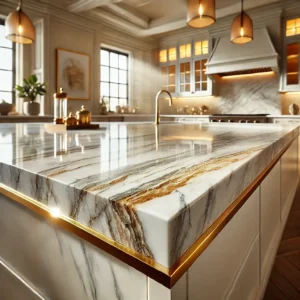
Granite countertops remain a popular choice for homeowners due to their combination of elegance and resilience. When you choose granite, you benefit from a surface that enhances both the beauty and functionality of your kitchen or bathroom. At Stone Valley Countertops, we deliver expertly installed granite that transforms your space.

Durability and Strength

Granite is one of the most durable natural stones available, which is why it’s perfect for busy kitchens. It withstands heat and scratches, keeping its pristine look over time. Therefore, you can confidently place hot cookware directly on the surface without worry. Unlike synthetic options, granite maintains its strength and appearance for decades.

Unique Beauty and Variety

Each slab of granite has unique patterns, so no two countertops are exactly alike. This distinctive quality adds visual interest and makes your home stand out. Additionally, granite comes in a range of colors, from deep blues and blacks to warm neutrals, allowing you to find the perfect fit for your décor.

Low Maintenance and Easy Care

Granite is easy to maintain with periodic sealing. With proper care, cleaning is simple—just use warm water and mild soap. By resealing the surface every year or as needed, you ensure its stain resistance and shine remain intact.

Added Value to Your Home

Installing granite countertops doesn’t just beautify your space; it also adds significant value. Potential buyers often seek homes with granite surfaces, so this choice can enhance your home’s marketability.

Explore More Countertop Options

While granite offers many benefits, other materials may align with your needs. For more insights, check out our guide on countertop materials.

Why Choose Stone Valley Countertops?

Our team at Stone Valley Countertops guarantees precision and quality, ensuring every installation showcases the elegance of granite. We prioritize attention to detail and customer satisfaction, so your project is completed with care.

Get Started Today

Enhance your kitchen or bathroom with the timeless appeal of granite. Visit Stone Valley Countertops or request a free quote today.

Professional Countertop Installation – Why You Need It

Professional Countertop Installation Guide

A countertop may look straightforward once it is sitting on the cabinets, but a successful installation depends on many details that homeowners rarely see. Cabinet levelling, slab layout, seam placement, sink support, appliance clearances, wall conditions, overhangs, and access through the home all affect the finished result.

Professional countertop installation brings those details together after the material has been selected and fabricated. The goal is not only to place the stone on the cabinets. It is to make sure each piece fits properly, remains supported, aligns with adjoining sections, and works with the sink, cooktop, backsplash, and surrounding cabinetry.

Quick answer: Professional countertop installation is important because quartz, granite, marble, quartzite, porcelain, and sintered stone are heavy, rigid materials that require accurate measurements and controlled handling. Installers check cabinet support, position seams, secure sinks, level adjoining pieces, and seal the necessary joints. Good installation helps reduce the risk of cracks, poor-fitting seams, unsupported overhangs, water entry, and costly corrections after the countertop is in place.

Why Professional Countertop Installation Matters

Countertops are fabricated to fit a specific room. Even when cabinets appear straight, walls may bow, corners may be out of square, and appliance openings may differ slightly from the original plans. These variations are common in both older Ontario homes and newly built kitchens.

A professional installation accounts for the actual site conditions. Installers compare the fabricated pieces with the cabinets, walls, cutouts, and appliances before final placement. They also check whether the pieces can be carried safely through doors, hallways, stairs, elevators, and tight kitchen openings.

This is especially important with large islands, full-height backsplashes, waterfall panels, long countertop runs, and natural stone slabs with veining that must align across separate pieces.

Professional Installation Starts Before Installation Day

The quality of the installation is closely connected to the work completed before the crew arrives. Countertop projects generally move through material selection, site measurement or digital templating, slab layout, fabrication, and installation.

Our guide to countertop fabrication in Ontario explains how measurements, cutouts, edges, seams, and slab planning are handled before the material reaches the home.

Cabinets Must Be Installed and Secure

Base cabinets should be fully installed, fastened together, and secured to the wall before countertop templating. They should also be level across the full kitchen, not simply within each individual cabinet.

Stone countertops can follow minor variations, but they should not be expected to correct significant cabinet problems. An uneven cabinet run may create inconsistent joints, poor contact, stress within the slab, or alignment problems around appliances.

Any decorative panels, finished ends, support walls, appliance panels, or island legs that affect the countertop dimensions should also be in their final positions before measurements are taken.

Sinks and Appliances Must Be Confirmed

The exact sink, cooktop, faucet, and other built-in components should be selected before fabrication. Model numbers alone are not always enough because cutout requirements can vary between similar products.

For undermount sinks, the fabricator needs the actual sink or an approved manufacturer template. Cooktop clearances, corner radiuses, reveal preferences, faucet holes, soap dispensers, and accessory openings should be confirmed before cutting begins.

Seams Should Be Planned Early

A seam is not automatically a sign of poor workmanship. It may be necessary because of slab size, kitchen layout, access limitations, pattern direction, or the risk of moving an oversized piece.

The best seam location balances appearance, structural handling, cabinet support, sink and cooktop positions, and installation access. You can learn more in our kitchen countertop seams guide.

What Happens on Countertop Installation Day?

The exact process varies by project, but most installations follow a similar sequence.

The Installation Area Is Reviewed

Before bringing in the slabs, the crew confirms that the cabinets, walls, plumbing area, appliances, and access route match the information used during fabrication.

If a cabinet has moved, an appliance opening has changed, or another trade has altered the site after templating, the countertop may no longer fit as intended. Identifying those changes before setting the stone can prevent damage and unnecessary adjustments.

The Pieces Are Carried Into Position

Fabricated countertop pieces can be extremely heavy and may contain vulnerable areas around sink and cooktop cutouts. Installers use appropriate lifting equipment and coordinated handling methods to move each section into the room.

The path from the truck to the kitchen matters. Door widths, steps, railings, ceiling height, flooring, weather, elevator access, and tight turns can all influence how a piece is carried and whether additional planning is required.

Each Piece Is Dry-Fitted

Before final fastening or adhesive is applied, the countertop is placed on the cabinets to verify the fit. Installers check wall gaps, overhangs, appliance openings, cabinet contact, seam alignment, and the relationship between adjoining pieces.

Walls are rarely perfectly straight. Small gaps along the back wall are often covered by a backsplash, stone upstand, or appropriate finishing detail. Larger irregularities may require discussion before the installation can be completed properly.

The Countertop Is Levelled and Secured

Installers check that adjoining pieces sit at the correct height and that the countertop is supported by the cabinets below. Small adjustments may be made where appropriate to create consistent contact and alignment.

The method used to secure the countertop depends on the material, cabinet construction, project design, and manufacturer requirements. Stone should not be forced into position to compensate for major cabinet or wall issues.

Seams Are Joined

Where a seam is required, the two sections are brought together, levelled, and bonded with a colour-matched adhesive. The goal is to create a strong joint with consistent height and the best practical visual match.

Even a well-made seam is usually visible at close range. Its appearance depends on the stone pattern, colour, finish, lighting, edge alignment, and location. Bold veins and directional patterns require particularly careful slab planning.

The Sink Is Mounted

For an undermount sink, the installer positions and secures the sink below the countertop opening. The sink should have suitable mechanical support rather than relying only on adhesive.

Plumbing is normally reconnected after the countertop installation, often by a plumber. Homeowners should confirm who is responsible for disconnecting and reconnecting the faucet, drain, dishwasher, garburator, and other plumbing components before installation day.

Final Joints Are Sealed

Appropriate silicone is commonly applied at the sink, wall, backsplash, or countertop joints where moisture control and movement accommodation are needed.

Natural stone may also require sealing depending on the material. Engineered quartz does not normally require a penetrating sealer, while granite, marble, and quartzite requirements can vary by slab.

Common Problems Professional Installation Helps Prevent

Poorly Supported Countertops

Stone needs consistent cabinet support. Gaps, weak cabinet sections, missing support panels, or improperly planned overhangs can place unnecessary stress on the material.

Large seating overhangs, raised bars, floating sections, and dishwasher openings may require brackets, steel supports, legs, or other reinforcement. The required support depends on the slab thickness, material, projection, cabinet design, and manufacturer guidance.

Uneven Seams

A seam can become more noticeable when adjoining pieces are not level, the cabinets below are uneven, the pattern has not been planned, or the joint is placed in a visually prominent location.

Professional seam preparation focuses on edge quality, alignment, colour matching, and proper support below the joint.

Sink Movement or Failure

An undermount sink filled with water, cookware, or dishes places significant load below the countertop. Proper support helps prevent the sink from separating from the stone over time.

The sink cabinet must also provide enough room for mounting hardware, plumbing, faucet connections, and any accessories installed below the counter.

Incorrect Appliance Openings

Ranges, cooktops, refrigerators, and dishwashers all require adequate clearances. An opening that is too narrow may prevent an appliance from fitting, while an oversized opening can leave unwanted gaps.

Installation planning should also consider countertop projection, control access, ventilation requirements, and whether the appliance must be moved for future servicing.

Cracks Around Cutouts

Sink and cooktop openings reduce the amount of material connecting sections of a slab. These areas require careful fabrication, handling, support, and installation.

Natural fissures, internal stresses, transportation conditions, cabinet movement, and unsupported areas can also affect certain materials. Proper installation reduces avoidable stress but cannot make stone indestructible.

Water Entry at Joints

Water can enter around sinks, faucets, backsplashes, seams, and wall joints when the required sealing is incomplete or deteriorates over time.

Homeowners should periodically inspect silicone joints and arrange for replacement when they begin to separate, crack, or show signs of wear.

Installation Considerations by Countertop Material

Quartz

Quartz offers consistent patterns, low routine maintenance, and strong stain resistance. It is rigid and heavy, and cutouts need accurate fabrication and controlled handling.

Quartz is heat resistant but not heatproof. Appliance clearances and direct heat exposure should be reviewed, particularly around high-output cooking equipment. Our article on whether quartz countertops are heat resistant explains this limitation in more detail.

Granite

Granite is durable and handles normal kitchen heat well, but each slab contains natural variation. Veins, mineral deposits, fissures, and colour movement should be considered during slab layout.

Some granite requires periodic sealing. The need depends on the specific stone rather than the material name alone.

Marble

Marble is softer and more sensitive to acids than granite or quartzite. It requires careful handling and realistic expectations around etching, staining, and natural ageing.

Seam placement and slab matching are especially important with strongly veined marble because pattern movement can make a joint more noticeable.

Quartzite

True quartzite is generally hard and durable, but individual slabs vary in porosity, fissures, resin treatment, and structure. Fabrication and installation decisions should be based on the selected slab.

Large quartzite pieces can be challenging to handle, particularly where there are sink cutouts, narrow rails, or complex veining.

Porcelain and Sintered Stone

Porcelain, Dekton, and other sintered surfaces provide strong heat and UV performance, but thinner slabs and exposed edges require specialized fabrication and handling.

Edge design, mitred build-ups, cabinet support, and installation access should be planned before fabrication. These materials should be handled by teams familiar with the specific product.

How Long Does Countertop Installation Take?

Many standard countertop installations can be completed in one day. Larger or more detailed projects may take longer.

The schedule can be affected by:

  • The number and size of countertop pieces
  • Access to the kitchen
  • The number of seams and cutouts
  • Full-height backsplash installation
  • Waterfall panels or mitred edges
  • Wall irregularities or cabinet issues
  • Removal of existing countertops
  • Plumbing and appliance coordination

Installation time is only one part of the full process. Templating, slab approval, fabrication, scheduling, and any required site preparation happen before the crew arrives.

How Homeowners Should Prepare

Good preparation makes the installation safer and more efficient.

  • Clear countertops, drawers, and nearby work areas.
  • Remove fragile items from adjoining rooms and open shelves.
  • Confirm that plumbing and appliances have been disconnected when required.
  • Keep children and pets away from the installation area.
  • Provide a clear route from the entrance to the kitchen.
  • Reserve elevator access in condominiums when necessary.
  • Confirm parking and loading arrangements.
  • Make sure an authorized person is available to review the completed work.

Some dust, noise, and minor on-site adjustment may occur. Most cutting should be completed during fabrication, but small installation adjustments can occasionally be necessary.

What Should You Inspect After Installation?

Before the crew leaves, walk through the project and review the main details.

  • Confirm the countertop sits securely on the cabinets.
  • Review seam locations and height alignment.
  • Check countertop overhangs and exposed ends.
  • Inspect sink positioning and support.
  • Confirm faucet and accessory holes are present.
  • Check appliance openings and clearances.
  • Review wall and backsplash joints.
  • Ask about cleaning, sealing, and care instructions.

Natural stone contains variation that should not be confused with installation defects. Veins, pits, fissures, mineral deposits, and colour changes may be part of the selected slab. These characteristics are best reviewed before fabrication so expectations are clear.

Professional Installation Versus DIY Installation

Installing laminate or certain wood countertops can be manageable for an experienced homeowner. Slab quartz, granite, marble, quartzite, porcelain, and sintered stone are different.

These materials require specialized measuring, cutting, polishing, transportation, lifting, seam bonding, sink mounting, and support planning. Mistakes can damage the countertop, cabinets, walls, flooring, plumbing fixtures, or appliances.

A slab may also fit through the kitchen layout on paper but be impossible to carry through a stairwell, hallway, or doorway. Professional installers account for these access limitations before the pieces are fabricated.

For these reasons, slab countertop installation should be completed by an experienced fabrication and installation team rather than treated as a typical weekend renovation project.

Frequently Asked Questions

Do Cabinets Need to Be Level Before Countertop Installation?

Yes. Cabinets should be fully installed, securely fastened, and level before templating and installation. Significant cabinet corrections should be completed by the cabinet installer before the countertop is placed.

Are Countertop Seams Always Visible?

Most seams can be seen at close range. A professional installation aims to keep the pieces level, create a tight joint, use a suitable adhesive colour, and place the seam thoughtfully. Complete invisibility should not be promised.

Who Connects the Plumbing After Installation?

Plumbing connections are usually completed by a plumber after the countertop and sink are installed. Confirm responsibilities before installation day because the countertop installer may not reconnect faucets, drains, dishwashers, or garburators.

Can Countertops Be Installed on Uneven Cabinets?

Minor adjustments may sometimes be possible, but countertops should not be used to correct significant cabinet problems. Uneven cabinets can affect seams, support, appliance openings, and the long-term performance of the countertop.

Can I Use My Kitchen Immediately After Installation?

The countertop itself may be ready for light use shortly after installation, but adhesives and silicone may require curing time. Plumbing should not be used until the sink, drain, and faucet have been properly connected and the relevant sealants have cured.

Does Professional Installation Include Countertop Removal?

Not always. Existing countertop removal, disposal, plumbing, appliance disconnection, drywall repair, and cabinet modifications may be separate services. These items should be confirmed in the project scope before work begins.

How Much Overhang Can a Countertop Have Without Support?

The answer depends on the material, thickness, cabinet construction, total slab dimensions, and manufacturer guidance. Seating overhangs and extended sections should be reviewed during planning rather than relying on one general measurement for every material.

Should Countertops Be Installed Before the Backsplash?

Yes. Countertops are normally installed before tile or full-height slab backsplashes. This allows the backsplash to fit the final countertop position and creates a cleaner joint between the two surfaces.

Plan the Installation Before the Stone Is Cut

The best countertop installations begin with clear decisions before fabrication. Material selection, slab layout, seams, edge profiles, sink mounting, appliance openings, overhang support, wall conditions, and site access should all be reviewed early.

Professional countertop installation does not eliminate every visible seam or natural material variation. It does, however, help ensure the countertop fits the room, remains properly supported, works with the surrounding fixtures, and performs as intended in daily use.

Stone Valley Countertops supplies, fabricates, and installs quartz, granite, marble, quartzite, porcelain, Dekton, and other countertop surfaces across Mississauga, Toronto, the GTA, Durham Region, Niagara Region, Hamilton, Burlington, Oakville, and surrounding Ontario communities.

To discuss your kitchen, bathroom, fireplace, laundry room, or commercial countertop project, contact Stone Valley Countertops. Our team can review your measurements, material choice, sink details, edge profile, seam plan, and installation requirements before fabrication begins.

Eco-Friendly Countertops for Your Home: Best Sustainable Options

Renovating your home can be a fulfilling process, especially when you incorporate eco-friendly choices. If you’re still exploring different countertop materials, check out our comprehensive guide on Types of Countertops: Discover the Best Materials for Your Home. Choosing eco-friendly countertops for your home is a significant step toward reducing your environmental impact. This guide dives into various sustainable countertop options, highlighting their benefits, drawbacks, and tips for selecting the perfect one for your space.

Why Sustainable Home Choices Matter

Incorporating sustainable materials in home renovation not only reduces waste but also contributes to conserving natural resources and minimizing your carbon footprint. Homeowners are increasingly seeking materials that are both durable and environmentally friendly, making eco-friendly countertops a popular choice.

Eco-Friendly Countertops for Your Home: An Overview

Understanding your options is the first step in choosing the right sustainable countertop. Various materials come with unique benefits and are tailored to different design preferences and budgets.

Recycled Glass Countertops

The Benefits and Unique Features

Recycled glass countertops are eye-catching and eco-friendly, blending crushed glass with a binder to create a solid, polished surface. The result is a beautiful, mosaic-like appearance that suits both modern and eclectic spaces.

Key Benefits:

  • Aesthetic Appeal: Vibrant and unique patterns that add character to any room.
  • Eco-Impact: Reduces landfill waste by repurposing discarded glass.
  • Durability: Properly maintained recycled glass countertops can last for years.

Concrete Countertops with Recycled Content

Strength and Sustainability

Concrete countertops with recycled content, such as fly ash or glass, are highly customizable and durable. They offer a rugged, industrial aesthetic and are an environmentally sound alternative when made using sustainable methods.

Pros:

  • Custom Shapes and Colors: Molded to fit any space and dyed to match any design.
  • Eco-Friendly Content: Incorporating recycled materials minimizes waste.
  • Longevity: With proper sealing, they can withstand daily wear.

Bamboo Countertops

A Renewable and Stylish Choice

Bamboo is among the most renewable resources due to its rapid growth. It offers a sleek, modern look while being a highly sustainable option for countertops.

Advantages:

  • Fast Growth: Bamboo regrows quicker than traditional wood.
  • Versatility: Complements various home styles.
  • Maintenance: Regular oiling protects the surface and enhances durability.

Butcher Block from Reclaimed Wood

Warmth and Eco-Consciousness Combined

Reclaimed wood butcher block countertops combine sustainability with rustic beauty. Sourced from old buildings or discarded structures, they reduce the demand for new lumber and bring unique history into your home.

What to Love:

  • Character and Charm: No two reclaimed wood pieces are alike.
  • Eco-Savings: Reduces deforestation and repurposes old wood.
  • Sustainability: When sealed and maintained, they provide a resilient work surface.

Recycled Paper-Based Countertops

Unexpected and Durable Solutions

Countertops made from compressed recycled paper and resin may sound unconventional, but they offer an eco-friendly and robust surface suitable for kitchens and bathrooms.

Benefits:

  • Sustainable Production: Low energy use during manufacturing.
  • Strong and Heat Resistant: Comparable to stone in durability.
  • Contemporary Aesthetic: Perfect for modern designs.

Natural Stone with Minimal Processing

Ethically Sourced Stone Countertops

Opting for natural stone like granite or marble can be sustainable if sourced responsibly and minimally processed. Choosing local quarries with ethical practices reduces transportation emissions and environmental impact.

Pros:

  • Elegant Look: Adds a touch of luxury.
  • Longevity: Lasts a lifetime with minimal maintenance.
  • Lower Transport Emissions: Sourcing from local suppliers cuts down on carbon emissions.

Composite Materials

Innovative Blends for Sustainability

Composite countertops made from recycled stone and glass, bonded with resin, offer a highly durable and eco-conscious solution.

Advantages:

  • Eco-Content: High percentage of recycled materials.
  • Color Variety: Wide selection of shades and finishes.
  • Tough Surface: Ideal for kitchens with heavy use.

Pros and Cons of Eco-Friendly Countertops

While eco-friendly countertops offer many benefits, understanding their drawbacks helps ensure you make the best decision.

Pros:

  • Reduced Environmental Impact: Lower carbon footprint compared to traditional materials.
  • Unique Designs: Many eco-friendly options have distinctive looks.
  • Durability: Built to last with proper care.

Cons:

  • Initial Cost: May be higher than standard options.
  • Maintenance Needs: Some materials require periodic upkeep.

How to Choose the Right Sustainable Countertop

Choosing the right countertop for your home means balancing style, functionality, and environmental impact. Consider these factors:

Key Considerations:

  • Usage: High-traffic kitchens benefit from durable surfaces like recycled glass.
  • Budget: Bamboo and recycled paper countertops are more affordable than stone.
  • Design: Match the countertop to your home’s overall aesthetic.

Cost Comparison

Budgeting for eco-friendly countertops helps set realistic expectations. Below is a general cost comparison:

Material Average Cost (Per Square Foot)
Recycled Glass $50–$100
Concrete (Recycled) $65–$135
Bamboo $40–$100
Reclaimed Wood $35–$200
Recycled Paper $30–$70
Composite Materials $60–$120

Maintenance Tips for Green Countertops

Keeping your eco-friendly countertops in prime condition ensures their longevity and beauty. Here’s how:

Maintenance Guide:

  • Sealing: Concrete and wood require regular sealing.
  • Cleaning: Use eco-friendly, non-abrasive cleaners.
  • Preventing Damage: Wipe up spills immediately and use trivets for hot items.

Top Brands for Eco-Friendly Countertops

If you’re ready to take the next step, check out these top eco-friendly countertop brands:

  • Vetrazzo: Specialists in recycled glass.
  • PaperStone: Known for recycled paper-based surfaces.
  • Eco by Cosentino: Composite surfaces with high recycled content.

Case Studies of Real-Life Use

Homeowners have successfully integrated eco-friendly countertops into their homes. For example, a family in California installed recycled glass countertops to give their kitchen a fresh, artistic touch while staying true to their eco-conscious values.

Conclusion

Choosing eco-friendly countertops for your home is a commitment to sustainability and style. With a wide range of options from recycled glass to reclaimed wood, you can find a material that reflects both your values and design preferences. By making eco-conscious choices, you not only elevate your living space but also contribute positively to the environment.


FAQs

What is the most durable eco-friendly countertop?
Recycled glass and composite materials are highly durable and stand up well to daily use.

How do I maintain eco-friendly countertops?
Use mild, eco-friendly cleaners and seal surfaces like concrete and wood periodically.

Are recycled paper countertops heat resistant?
Yes, recycled paper countertops are heat resistant when finished properly.

Can I customize eco-friendly countertops?
Yes, many eco-friendly materials such as concrete and composite can be customized in color and shape.

What makes a countertop eco-friendly?
Materials are eco-friendly if they are made from recycled or renewable resources and have a lower environmental impact than traditional options.

Where can I find sustainable countertops?
Check out brands like Vetrazzo and PaperStone or visit the Canada Green Building Council (CaGBC) for more resources on sustainable materials.

Types of Countertops: Discover the Best Materials for Your Home

The Ultimate Guide to Choosing the Best Types of Countertops for Your Home or Workspace

Upgrading types of countertops is one of the best ways to enhance both the look and functionality of your home or workspace. Whether you’re remodeling a kitchen, bathroom, or office, choosing the right type of countertop can make all the difference. Real estate experts estimate that homeowners can see a 54% to 74% return on investment when they upgrade their countertops, making them a key element in any renovation project.

Countertops aren’t just about aesthetics—they serve as functional surfaces for daily activities. Whether you’re chopping vegetables, preparing presentations, or decorating, the right countertop needs to be durable, functional, and beautiful. With a wide range of types of countertops available, selecting the right one can be overwhelming.

In this guide, we will explore the most popular countertops, their pros and cons, and how to choose the best one for your lifestyle, budget, and design preferences.

Finding the Perfect Fit: Exploring Types of Countertops

When selecting from various types of countertops, it’s essential to find a balance between function and style. Whether it’s for a residential kitchen, an office space, or an outdoor setup, understanding the characteristics of different materials will help you make an informed decision.


Factors to Consider Before Choosing Types of Countertops

Before diving into specific types of countertops, it’s crucial to assess a few key factors:

  • Usage: How much wear and tear will the countertop endure? A kitchen or workshop countertop may need more durability than a bathroom vanity or desk.
  • Budget: Some types of countertops, like quartz and Dekton, can be on the expensive side, while others, like laminate, are more affordable.
  • Aesthetics: The material should complement the rest of your space. Countertops come in a variety of textures, colors, and patterns.
  • Maintenance: Some surfaces require frequent sealing or special cleaning products, while others are virtually maintenance-free.

Dekton Countertops: A High-Performance Type of Countertop

Dekton is one of the most advanced types of countertops available today. This ultra-compact surface is made by combining raw materials used in the production of glass, porcelain, and quartz under high pressure and temperature.

Dekton Awake countertop featuring white surface with intricate gold and grey veining for a modern and elegant look.

Pros of Dekton Types of Countertops

  • Heat Resistance: Dekton is highly resistant to heat. You can place hot pots and pans directly on the surface without any damage.
  • Scratch Resistance: One of the hardest materials available, Dekton is virtually scratch-proof, making it ideal for high-traffic areas like kitchens or workshops.
  • UV Resistance: Dekton doesn’t fade, even with direct sunlight exposure, making it perfect for outdoor spaces.
  • Low Maintenance: Dekton is non-porous, so it doesn’t need to be sealed and is highly resistant to stains and water damage.

Cons of Dekton Types of Countertops

  • Cost: Due to the advanced manufacturing process, Dekton tends to be pricier than other types of countertops.
  • Chipping: While incredibly hard, Dekton can chip around the edges if struck forcefully, requiring professional repair.
  • Installation: Due to its density and weight, Dekton countertops require expert installation.

Onyx Countertops: A Luxurious Type of Countertop

Onyx countertops are one of the more exotic types of countertops, known for their striking patterns and unique colorations. Though less common than granite or quartz, onyx brings a level of luxury that’s hard to match.

Onyx countertop showcasing rich layers of cream, gold, and brown veining for a luxurious and natural look.

Pros of Onyx Types of Countertops

  • Aesthetic Appeal: Onyx’s translucent properties allow it to be backlit, giving it a glowing, ethereal appearance.
  • Unique Design: Each piece of onyx is distinct, making it a one-of-a-kind centerpiece.
  • Luxury Look: Onyx is often used in high-end designs due to its eye-catching and opulent appearance.

Cons of Onyx Types of Countertops

  • Fragility: Onyx is softer than materials like granite or quartz, making it prone to scratches and chips.
  • High Maintenance: Onyx requires regular sealing and careful handling to avoid damage.
  • Cost: As one of the more expensive types of countertops, onyx can be labor-intensive to install and maintain.

Quartzite Countertops: A Durable Type of Countertop

Quartzite is one of the most durable natural types of countertops, combining the beauty of marble with the durability of granite. It’s a fantastic option for homeowners who want the look of luxury without the high maintenance.

Taj Mahal quartzite countertop featuring soft beige and grey tones with delicate veining, offering a natural and elegant appearance.

Pros of Quartzite Types of Countertops

  • Durability: Quartzite is highly resistant to scratches and heat, making it ideal for kitchens and high-traffic areas.
  • Heat Resistant: Quartzite can withstand high temperatures without sustaining damage.
  • Natural Beauty: With its marble-like appearance, quartzite offers the elegance of marble but with less upkeep.

Cons of Quartzite Types of Countertops

  • Sealing Required: Like most natural types of countertops, quartzite needs regular sealing to protect against stains.
  • Cost: It’s more expensive than granite but offers a more budget-friendly alternative to onyx or quartz.
  • Limited Colors: Quartzite tends to have fewer color options compared to engineered types of countertops like quartz.

Granite Countertops: A Classic Type of Countertop

Granite has long been one of the most popular types of countertops for kitchens and bathrooms. As a natural stone, each slab of granite is unique, offering a variety of colors, veining, and patterns that appeal to many homeowners.


River Blue granite countertop featuring flowing patterns of blue, grey, and white with subtle dark veining, providing a dynamic and elegant look.

Pros of Granite Types of Countertops

  • Durability: Granite is extremely hard and resistant to scratches, heat, and stains.
  • Aesthetic Variety: Each piece of granite has its own look, offering a wide range of colors and patterns to suit any design.
  • Heat Resistant: You can place hot cookware directly on granite without worrying about damage.
  • Long-Lasting: With proper sealing, granite countertops can last a lifetime with minimal upkeep.

Cons of Granite Types of Countertops

  • Cost: Granite is more expensive compared to budget-friendly options like laminate or wood.
  • Sealing Required: Granite requires periodic sealing to maintain its stain resistance.
  • Weight: Granite is a heavy material, which means it requires sturdy cabinetry and professional installation.

Quartz Countertops: An Engineered Type of Countertop

Quartz countertops are engineered using a combination of crushed quartz and resin, creating one of the most durable and customizable types of countertops.

Dijon Gold quartz countertop with a sleek white surface accented by delicate gold veining for a clean and luxurious finish.


Pros of Quartz Types of Countertops

  • Low Maintenance: Unlike natural stone, quartz doesn’t require sealing and is highly resistant to stains.
  • Non-Porous: Quartz is non-porous, which makes it highly resistant to bacteria, mold, and mildew.
  • Customizable: Quartz can be manufactured in almost any color or pattern, giving you flexibility in design.

Cons of Quartz Types of Countertops

  • Heat Sensitivity: The resin in quartz can be sensitive to high heat, so you’ll need trivets or pads to protect the surface.
  • Cost: Quartz is often on par with granite in terms of price, though higher-end designs can be more expensive.
  • Not a Natural Stone: While made from natural quartz, the material is engineered, so it doesn’t have the unique variation found in natural types of countertops like granite or marble.

Conclusion: Choosing the Best Countertops for Your Space

When choosing between the different types of countertops, it’s essential to think about more than just looks. Consider how each material will perform in your space, how much maintenance you’re willing to do, and your budget. From the cutting-edge technology of Dekton to the natural beauty of quartzite and the luxurious appeal of onyx, there’s a perfect countertop material for every space.

If you need help selecting and installing the best types of countertops, don’t hesitate to reach out to the experts at Stone Valley Countertops. We’re here to help you find the ideal surface for your home or workspace.


FAQs

What is the most durable countertop material?
Dekton and quartzite are some of the most durable materials, offering excellent scratch resistance and heat tolerance.

Can onyx countertops be used in a high-traffic kitchen?
Onyx is best suited for low-traffic areas, as it is softer and more prone to damage than materials like granite or quartz.

Do Dekton countertops require sealing?
No, Dekton is non-porous and does not require sealing, making it a low-maintenance option.

Are quartz countertops better than granite?
Both quartz and granite have their pros and cons. Quartz is low-maintenance and non-porous, while granite offers natural beauty and heat resistance.

How often should quartzite countertops be sealed?
Quartzite countertops should be sealed once a year to maintain their resistance to stains and moisture.

Can I install Dekton countertops outdoors?
Yes, Dekton is UV-resistant, making it an excellent option for outdoor kitchens and patios.

Mitered Edge Countertop: Durable Style for Kitchens & Bathrooms

Mitered Edge Countertop: Durable Style for Kitchens & Bathrooms

Countertops do more than serve as work surfaces—they define the look and feel of a room. One countertop style gaining widespread attention is the mitered edge countertop. Its sleek, seamless design and outstanding durability make it a top choice for kitchens, bathrooms, and other modern interiors. Whether you’re renovating your kitchen, upgrading a bathroom vanity, or designing a new laundry area, a mitered edge countertop delivers both elegance and lasting performance.

Mitered edge countertop in a modern kitchen.

What Is a Mitered Edge Countertop?

A mitered edge countertop forms when fabricators cut two slabs at 45-degree angles and join them to create a flawless seam. This technique creates the illusion of a thicker countertop without the extra weight. The result is a crisp, square edge that gives quartz, granite, marble, or porcelain a seamless, luxurious finish. While it’s most popular in kitchens, mitered edges also enhance bathrooms, laundry rooms, and custom office desks.

Why Choose This Sleek Countertop Design for Kitchens and Bathrooms?

Designers and homeowners love the clean, bold aesthetic of the mitered edge. It provides a polished transition from countertop to waterfall edges, blending modern design with practical strength. Whether you prefer a minimalist kitchen or a dramatic island centerpiece, this edge style adapts beautifully to different materials and layouts.

Top Benefits of Seamless Countertops

1. Clean and Luxurious Finish

A mitered edge gives any surface a custom, high-end appearance. The seamless join hides slab thickness and produces a sleek, uninterrupted line—ideal for modern kitchen designs and luxury bathroom renovations.

2. Durability

A mitered edge countertop combines style with strength. The carefully bonded edge minimizes weak points, reducing the risk of chipping or cracking. It’s perfect for busy kitchens, family bathrooms, or high-use laundry spaces.

3. Customizable Thickness

This design lets you control the thickness for a personalized look. Choose a bold, thick island profile or a thin, modern vanity edge—either option enhances depth and proportion in your space.

4. Versatile Across Various Spaces

While often seen in kitchens, mitered edges also elevate bathroom vanities, laundry counters, and home office desks. The seamless structure complements quartz, granite, and porcelain equally well.

Best Materials for Mitered Edge Countertops

Quartz

Quartz remains the most popular option for mitered edge countertops thanks to its durability, low maintenance, and consistent finish. The smooth surface aligns perfectly with clean edge profiles, creating a seamless and elegant appearance. Learn more about quartz durability, maintenance, and benefits in our Quartz Countertops Guide.

Calacatta Gold quartz mitered edge countertop.

Granite

Granite’s bold veining and natural colour variations shine with a mitered edge. This edge style emphasizes the slab’s natural beauty and gives it the illusion of a thicker, more robust structure—perfect for traditional kitchens or spa-inspired bathrooms.

Marble

Marble and mitered edges form a timeless pair. The precision join enhances the stone’s soft veining, creating a luxurious visual flow. Many homeowners use mitered marble countertops for bathroom vanities, kitchen islands, and fireplace surrounds.

Porcelain

Porcelain has become a rising trend in modern countertop design. Lightweight yet strong, porcelain slabs look exceptional with mitered edges, especially for waterfall edge countertops or outdoor kitchen installations.

Where to Use Mitered Edge Countertops in Your Home

Although most common in kitchens, mitered edge countertops bring sleek functionality to multiple areas of the home.

Kitchens

In the kitchen, a mitered edge countertop elevates both islands and main counters. It creates a solid, uniform appearance that pairs beautifully with waterfall island designs and full-height backsplashes.

Bathrooms

Bathroom vanities benefit from the clean join of a mitered edge, offering a spa-like finish. The seamless connection helps prevent grime buildup, keeping your space bright and easy to clean.

Mitered edge countertop on a porcelain bathroom vanity.

Laundry Rooms

In laundry rooms, the mitered edge design adds both beauty and durability. The reinforced joint supports heavy loads, making it ideal for folding stations or utility sinks.

Mitered edge countertop in a laundry room.

Home Offices

For home offices or study areas, a mitered edge countertop adds a professional, high-end touch. Pair it with custom quartz desks or cabinetry to achieve a modern, seamless workspace aesthetic.

How Mitered Edge Countertops Are Made

Creating a mitered edge countertop demands precision and craftsmanship. Fabricators cut the countertop material at a 45-degree angle and align the edges perfectly to form a strong joint. Skilled artisans polish the seam until it becomes virtually invisible, giving the illusion of a thick slab while keeping weight manageable. This process is common in professional countertop fabrication and requires experienced installation for best results.

To see this process in action, watch this video on countertop fabrication.

Cost of Mitered Edge Countertops

Because of the advanced fabrication and precision required, mitered edge countertops cost slightly more than standard edge profiles. Pricing varies depending on material, thickness, and project complexity. On average, this design increases total cost by 20–30%, but the investment pays off in visual appeal and long-term durability—especially for luxury kitchens or commercial applications.

Maintenance and Care for Mitered Edge Countertops

With proper care, a mitered edge countertop can maintain its flawless look for years. Follow these simple maintenance tips:

  • Clean Spills Quickly: Especially important for porous materials like marble and granite. Prompt cleaning prevents stains and etching.
  • Use Cutting Boards and Trivets: Even durable surfaces like quartz benefit from extra protection against heat and scratches.
  • Seal Natural Stone Regularly: Apply sealer to granite or marble surfaces every 6–12 months to maintain water and stain resistance.

FAQs

1. What is a mitered edge countertop?
A mitered edge countertop is crafted by cutting and joining two slabs at a 45° angle to create a seamless, thicker edge that appears luxurious and sturdy.

2. Where can mitered edge countertops be used?
They’re ideal for kitchens, bathrooms, laundry rooms, and home offices, offering a refined finish that complements both classic and contemporary styles.

3. Are mitered edge countertops more expensive than standard edges?
Yes. Because of the precision cutting and fabrication process, mitered edge countertops typically cost more than standard edges but deliver a superior aesthetic.

4. How do I maintain mitered edge countertops?
Clean spills promptly, use cutting boards, and reseal natural stone regularly. For quartz and porcelain, mild soap and water are sufficient for daily cleaning.

5. What materials work best with mitered edge countertops?
Quartz, granite, marble, and porcelain all pair beautifully with the mitered edge style, each offering distinct aesthetic and performance benefits.