countertop maintenance

Waterfall Countertops 2025: Bold Designs for Modern Kitchens

Waterfall Countertops 2025: Bold Designs for Modern Kitchens

Waterfall countertops are making a bold comeback in 2025 kitchen design, merging sleek aesthetics with high-end luxury. As homeowners continue to embrace modern and minimalist styles, this trend has surged in popularity. Whether you’re remodeling a contemporary space or building your dream kitchen, this guide explores everything you need to know—from materials and pros & cons to expert styling tips.

What Are Waterfall Countertops?

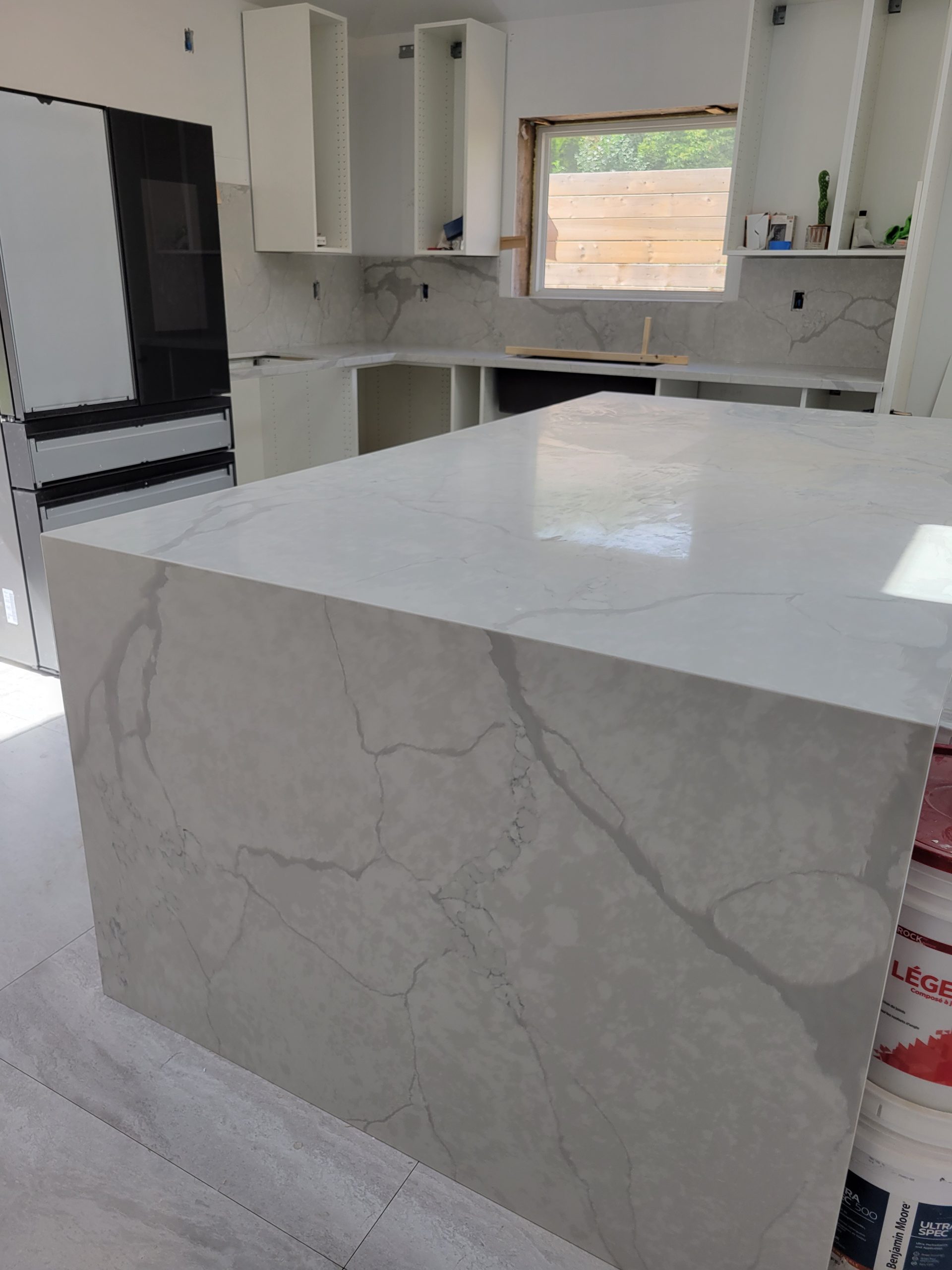
Unlike traditional countertops that end at the edge of the cabinet, waterfall countertops continue vertically down the sides, forming a continuous “waterfall” effect. As a result, the surface flows smoothly from top to bottom, creating a striking and seamless finish. The result is a sophisticated, elegant look often used in kitchen islands, peninsulas, and even bathroom vanities.

Waterfall countertops 2025 with white quartz island and wood base
Waterfall quartz countertop in a modern kitchen island design

Why Waterfall Countertops Are Trending in 2025

Waterfall countertops have become a design focal point in modern homes. This is largely because they combine form and function in a unique way. Below are a few reasons why they’re dominating kitchen trends in 2025:

  • Modern Minimalism: Clean lines and continuous surfaces complement today’s minimalist kitchen styles.
  • Luxury Appeal: Waterfall designs often feature high-end materials like quartz or marble, elevating perceived home value.
  • Durability + Protection: The vertical slab adds protection against scuffs and wear on cabinet sides.
  • Showcase Slabs: Perfect for dramatic veining in quartz or stone slabs that deserve to be a focal point.

Moreover, this trend aligns well with open-concept living spaces, where visual continuity is key. Learn more about modern countertop trends in our 2025 guide.

Best Materials for Waterfall Countertops

Choosing the right material is key to achieving both beauty and function. Below are the top material options to consider:

Quartz

Engineered quartz is the most popular option due to its durability, non-porous surface, and wide color availability. In addition, it’s perfect for waterfall applications thanks to its seamless appearance and low maintenance. Learn more about quartz as a waterfall material.

Also, check out Caesarstone’s guide to the waterfall countertop trend for real examples and design tips from a top manufacturer.

Marble

While marble offers timeless beauty, it is also porous and more prone to scratching and staining. Therefore, it’s best for low-traffic kitchens or spaces where aesthetics take priority over durability.

Granite

Granite works well for waterfall designs, especially if you’re going for a natural stone look. Furthermore, it’s highly durable and heat-resistant, making it ideal for active kitchens.

Porcelain

Porcelain slabs are becoming a go-to for ultra-modern designs. Not only are they lightweight and strong, but they also resist wear and tear exceptionally well.

Pros and Cons of Waterfall Countertops

✔️ Pros

  • Elegant, high-end appearance
  • Protects cabinetry sides from wear and spills
  • Highlights beautiful veining and patterns
  • Pairs well with open-concept layouts

❌ Cons

  • Higher material and fabrication cost
  • Less flexibility with storage (cabinet sides hidden)
  • Requires precise installation for slab alignment

While the pros far outweigh the cons for most homeowners, it’s essential to factor in your budget and kitchen layout before committing to this trend.

Where to Use Waterfall Countertops

Waterfall edges are versatile and can elevate several parts of your home. Here are a few popular placements:

  • Kitchen Islands: The most common application—creates a bold centerpiece that draws attention.
  • Bathroom Vanities: Adds a touch of luxury to upscale bathrooms and powder rooms.
  • Bar Tops and Dining Areas: Helps to unify the kitchen and entertainment space with a clean visual flow.

Ultimately, your layout and lifestyle will determine the best placement. However, most homeowners opt for a kitchen island waterfall edge first.

Design Tips for a Stunning Waterfall Countertop

Want to make your waterfall countertop truly stand out? Consider these expert-approved design tips:

  • Use Bookmatched Slabs: Align veining patterns for a dramatic, seamless look.
  • Contrast with Cabinets: Pair white quartz with dark cabinets or vice versa for a high-impact design.
  • Pair with Matching Backsplash: This unifies the space and makes the waterfall feature feel intentional.
  • Choose the Right Edge Style: See our guide to edge styles for modern kitchens.
  • Coordinate with Cabinets: Explore ideas for countertop and cabinet combinations that work.

In addition, don’t overlook lighting. Under-cabinet or toe-kick lighting can highlight the waterfall edge and add dimension at night.

How Much Do Waterfall Countertops Cost?

Expect to pay 20% to 50% more than a standard countertop installation. This is due to extra slab material, mitered edging, and more complex fabrication labor. On average, waterfall quartz countertops cost between $85–$150 per square foot, depending on the slab style and level of customization.

However, many homeowners see it as a worthwhile investment given the long-term aesthetic and resale value.

Maintenance & Cleaning Tips

Maintaining your waterfall countertop is easy—especially when using quartz or porcelain. Simply wipe with a mild soap and water solution regularly. Avoid harsh chemicals or abrasive pads, which can damage the finish over time.

For long-term care, review our full countertop maintenance guide.

Final Thoughts: Is a Waterfall Countertop Right for You?

If you’re planning a kitchen upgrade, waterfall countertops 2025 are one of the best statement features to consider for style, luxury, and value. It’s functional, stunning, and adds long-term value—especially when using durable materials like quartz.

Therefore, if you’re after sleek design and lasting impact, this trend is worth every penny.

FAQs About Waterfall Countertops

Are waterfall countertops going out of style?

Not at all. In fact, they’re gaining momentum in 2025 due to the rise of minimalist and luxury kitchen design trends.

What is the best material for a waterfall countertop?

Quartz is ideal because it’s durable, non-porous, and available in large slabs perfect for mitered edges and seamless designs.

Do waterfall countertops increase home value?

Yes — especially when installed in high-traffic, visible areas like kitchen islands. They signal custom work and design investment.

Can you install waterfall countertops on existing cabinets?

Yes, but it requires measuring, fabricating new slabs, and ensuring structural support on the sides for the vertical piece.

Polished vs Honed Countertops: Which Finish Is Right for Your Home?

Polished vs Honed Countertops: Which Finish Is Right for Your Home?

When choosing a countertop finish, the decision between polished vs honed countertops can significantly influence both the look and maintenance of your kitchen or bathroom. In this guide, we explore the key differences between these two popular finishes to help you make an informed choice that matches your lifestyle and design vision.

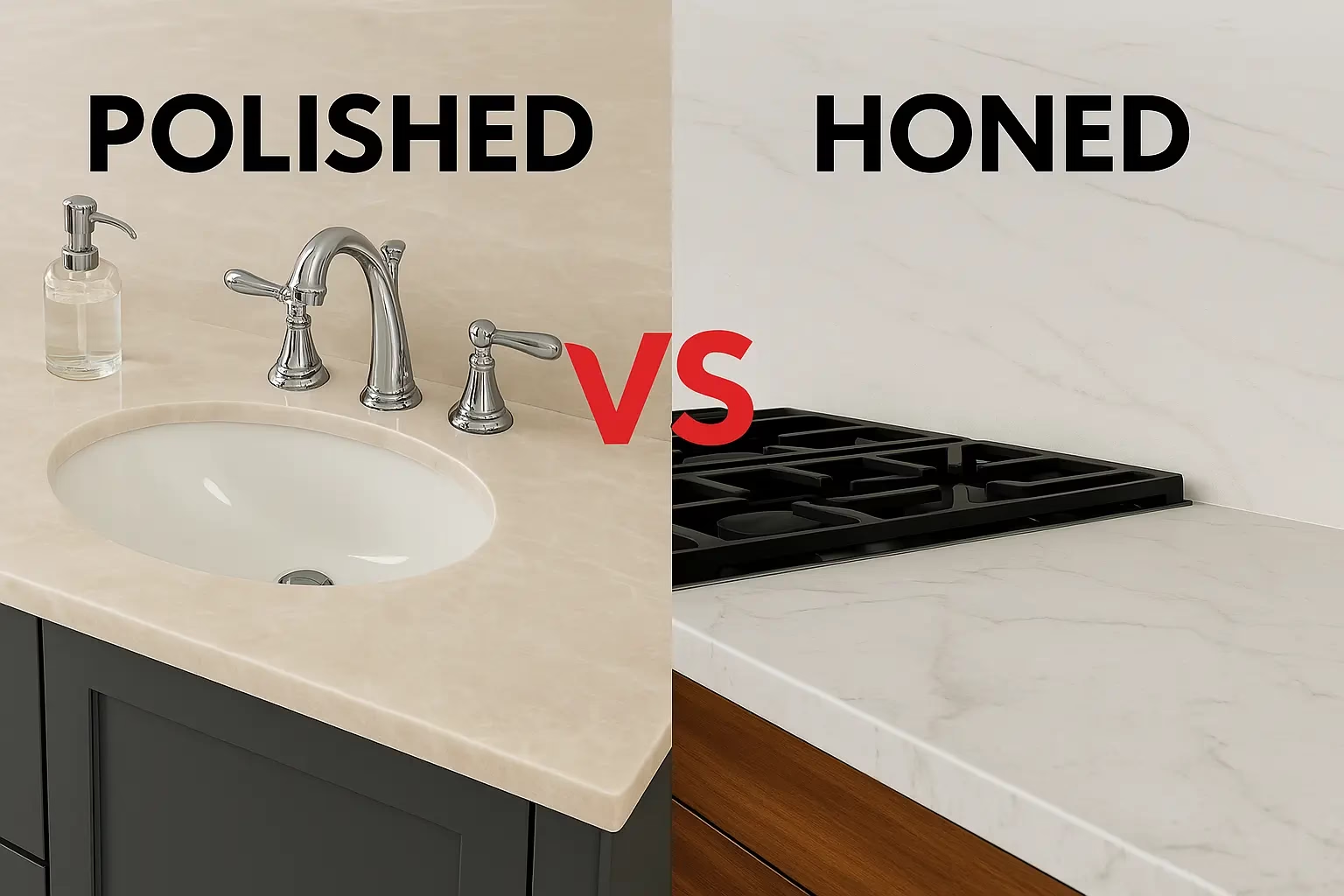
Polished vs Honed Countertop Finishes Comparison – Stone Valley Countertops

What Are Countertop Finishes?

Countertop finishes determine the surface texture and reflectivity of your stone, quartz, or engineered slab. The two most common finishes are polished and honed, each offering distinct advantages depending on your design goals and daily use.

Polished Countertops

A polished finish gives countertops a high-gloss, mirror-like surface that enhances the natural colors and veining of the material. This finish offers a luxurious, modern appeal but can reflect light and show fingerprints or smudges more easily than matte alternatives.

  • Pros: Enhances color and pattern; easy to wipe clean
  • Cons: Can show fingerprints; may be too reflective for some design styles

Polished surfaces work exceptionally well with quartz countertops and granite countertops, making them a top pick for sleek, high-end kitchens and bathrooms.

Honed Countertops

A honed finish features a smooth, matte surface with little to no shine. It creates a more natural, understated aesthetic and tends to hide minor scratches or smudges better than polished finishes. Honed countertops are ideal for warm, relaxed, or traditional interiors.

  • Pros: Subtle and natural appearance; hides scratches and imperfections
  • Cons: May require more upkeep to maintain a consistent look

This finish is often selected for high-traffic areas where durability matters most and pairs beautifully with marble countertops and natural stones.

Polished vs Honed: A Side-by-Side Comparison

Feature Polished Honed
Aesthetics High-gloss and reflective Matte and subtle
Maintenance Easy to clean but shows fingerprints Hides minor scratches better
Style Suitability Modern, high-end designs Traditional, natural looks
Light Reflection Reflects light, brightening space Absorbs light, offering a softer look

Which Finish Is Right for You?

Your choice between polished and honed countertops ultimately depends on your design preferences and practical needs:

  • Choose Polished if you prefer a modern, sleek look and don’t mind light cleaning to maintain the shine.
  • Choose Honed if you want a more natural, low-glare appearance that hides small imperfections better.

Countertop Care and Maintenance

Regardless of finish, proper care helps your countertops look beautiful for years. Clean daily with mild soap and water, avoid abrasive pads, and reseal natural stone surfaces as recommended by the manufacturer.

For detailed tips, visit our countertop maintenance guide.

Frequently Asked Questions

What is the difference between polished and honed countertops?

Polished countertops have a glossy, reflective surface that enhances color and pattern. Honed countertops are matte and smooth, providing a softer, more natural appearance.

Which countertop finish is easier to maintain?

Polished finishes are easier to clean but may show fingerprints or smudges. Honed finishes hide scratches better but may need more frequent sealing, especially with natural stone.

Which finish is better for modern kitchens?

Polished finishes suit modern, contemporary kitchens. Honed finishes work beautifully in rustic, natural, or transitional designs.

Final Thoughts

Choosing the right countertop finish can dramatically influence your space’s look and feel. Whether you prefer the reflective sophistication of polished surfaces or the quiet elegance of honed stone, the right finish should align with your lifestyle and aesthetic goals.

Need expert advice? Contact Stone Valley Countertops to explore samples and find the perfect finish for your kitchen or bathroom.

Most Durable Countertops: What Lasts the Longest?

When choosing the most durable countertops, homeowners want a surface that can withstand scratches, heat, and stains while maintaining its aesthetic appeal for years. But which countertop material is the most long-lasting?

In this guide, we’ll explore the strongest countertops, comparing scratch resistance, heat tolerance, stain protection, and longevity to help you make the right choice.

💡 Looking for more countertop options? Check out our guide on Types of Countertops: Discover the Best Materials for Your Home.


What Makes the Most Durable Countertops Last?

A highly durable countertop should excel in these four areas:

  • Scratch resistance – Can it handle knives and heavy use?
  • Heat resistance – Will it withstand hot pots and pans?
  • Stain resistance – Can spills be cleaned easily?
  • Impact resistance – Will it chip or crack under pressure?

Now, let’s rank the most durable countertops from strongest to weakest.


Top 5 Most Durable Countertops That Last a Lifetime

1. Quartzite (The Hardest Natural Stone – Best Overall ⭐⭐⭐⭐⭐)

  • Harder than granite – Resists scratches better than any other natural stone.
  • Extreme heat resistance – Handles direct heat from pots and pans without damage.
  • Marble-like beauty – Natural veining adds a luxurious look.
  • Requires sealing – Porous surface needs sealing to prevent stains.

💡 Best for: Homeowners who want the toughest natural stone with a high-end aesthetic.


2. Granite (Classic, Scratch & Heat-Resistant ⭐⭐⭐⭐)

  • Highly durable – Resistant to cuts, scratches, and high temperatures.
  • Unique natural patterns – No two slabs are the same.
  • Needs occasional sealing – Prevents liquid absorption and stains.

💡 Best for: Homeowners looking for a low-maintenance, natural stone countertop.


3. Porcelain (Ultra-Heat Resistant & Stain-Proof ⭐⭐⭐⭐)

  • Non-porous – Resists stains and requires no sealing.
  • Superior heat resistance – Withstands high cooking temperatures.
  • Lightweight yet strong – Ideal for modern kitchens and backsplashes.

💡 Best for: Those who want a modern, easy-to-maintain countertop with exceptional durability.


4. Quartz (Best Low-Maintenance Countertop ⭐⭐⭐⭐)

  • Non-porous – Naturally stain-resistant and doesn’t require sealing.
  • Scratch-resistant – Holds up well against daily wear and tear.
  • Not fully heatproof – Prolonged heat exposure may cause discoloration.

💡 Best for: Those who need a stylish, durable, and low-maintenance countertop.


5. Concrete (Tough & Industrial Look ⭐⭐⭐)

  • Super durable – Highly scratch-resistant.
  • Heat-resistant – Withstands high temperatures from cookware.
  • Requires sealing – Prevents staining and moisture absorption.

💡 Best for: Industrial-style kitchens or homeowners who enjoy DIY-friendly materials.


Which Countertop Material is Best for You?

  • Quartzite – The hardest natural stone countertop, perfect for durability and luxury.
  • Granite – A classic choice for heat resistance and longevity.
  • Porcelain – Ideal for modern kitchens needing a stain-proof, low-maintenance surface.
  • Quartz – Best for zero-maintenance homeowners wanting a scratch-resistant option.
  • Concrete – A stylish choice for custom, industrial-style kitchens.

Final Thoughts: The Most Durable Countertops for Your Home

When it comes to countertop longevity, quartzite, granite, and porcelain are the top contenders. With proper care, these durable kitchen countertops will last for decades while enhancing your home’s aesthetic appeal.

Still unsure? Fill out our quote request form below for a personalized recommendation on the best countertop for your home!

How to Maintain Your Countertops for a Lifetime

Investing in high-quality countertops is a big decision, so it’s essential to know how to keep them in top condition for years to come. Whether you have quartz, granite, quartzite, or another stone surface, proper care will extend their lifespan and keep them looking brand new.

💡 Looking for the best countertop material? Check out our guide on Types of Countertops: Discover the Best Materials for Your Home.

This guide will cover the best cleaning, sealing, and maintenance tips for long-lasting countertops.


General Countertop Maintenance Tips

No matter the material, these general rules apply to all countertops:

Wipe up spills immediately – Prevent stains by cleaning up spills as soon as they happen.
Use mild cleaners – Harsh chemicals can damage or dull the surface.
Use cutting boards and trivets – Avoid direct contact with knives and hot pots.
Seal natural stone regularly – If your countertop is porous, sealing is crucial.
Avoid abrasive scrubbers – Use a microfiber cloth or sponge to prevent scratches.

Each countertop material has unique maintenance requirements, so let’s break it down by type.


How to Maintain Quartz Countertops

Quartz countertops are non-porous and require minimal maintenance. However, improper cleaning can still damage the surface.

Daily Cleaning: Use a mild dish soap and warm water with a soft cloth.
Stain Removal: For tougher stains, use a mix of baking soda and water or rubbing alcohol.
What to Avoid:

  • Harsh chemicals like bleach or oven cleaners.
  • Placing hot pans directly on the surface (use trivets!).
  • Cutting directly on the countertop—use a cutting board.

💡 Tip: Since quartz doesn’t need sealing, regular cleaning is all that’s required!


How to Maintain Granite Countertops

Granite is a natural stone that’s extremely durable, but it needs proper sealing to prevent stains.

Daily Cleaning: Wipe with warm water and a pH-neutral stone cleaner.
Sealing: Apply a penetrating sealer every 1–2 years to maintain stain resistance.
What to Avoid:

  • Acidic cleaners (vinegar, lemon, or ammonia).
  • Leaving water or oil spills for too long.
  • Using rough scrubbers that can dull the surface.

💡 Tip: To check if your granite needs sealing, sprinkle a few drops of water on the surface. If it absorbs within 5 minutes, it’s time to reseal!


How to Maintain Quartzite Countertops

Quartzite offers the beauty of marble with better durability, but it still requires proper sealing and care.

Daily Cleaning: Use a pH-balanced cleaner or mild dish soap with a soft cloth.
Sealing: Reseal every 6–12 months to prevent staining.
What to Avoid:

  • Acidic cleaners that can etch the surface.
  • Abrasive pads that could scratch the finish.
  • Direct heat—use trivets for hot pots.

💡 Tip: Quartzite is more stain-resistant than marble, but sealing helps keep it in top condition.


Countertop Protection Tips

Use Coasters & Mats: Prevent stains from coffee, wine, and juice by using coasters under glasses.
Cut on a Board, Not the Countertop: Even durable materials like granite and quartzite can scratch over time.
Wipe Spills Immediately: Natural stone absorbs liquids, leading to stains.
Avoid Heavy Impact: Dropping heavy objects can cause cracks or chips.

With these simple habits, your countertops will remain flawless for years!


Final Thoughts

Learning how to maintain your countertops ensures they stay beautiful and functional for a lifetime. Whether you have quartz, granite, or quartzite, regular cleaning, sealing (for natural stone), and protective measures will keep your surfaces in pristine condition.

💡 Still deciding on the best countertop for your home? Read our guide on Types of Countertops: Discover the Best Materials for Your Home.

Need expert advice? Fill out our quote request form for professional countertop maintenance tips!


Your Thoughts?

Have a countertop care question? Fill out our quote request form for expert cleaning and maintenance recommendations! 🚀

Quartzite Countertop: Benefits, Costs, and Maintenance Guide

Quartzite Countertops: A Complete Guide for Ontario Homeowners

Choosing a countertop is about more than finding a surface that looks good in a showroom. It needs to stand up to daily cooking, suit your maintenance expectations, and work with the layout of your kitchen or bathroom.

Quartzite countertops have become one of the most requested natural stone options because they combine dramatic movement with excellent durability. Many homeowners are drawn to quartzite because it offers a marble-like appearance while standing up better to scratches, heat, and everyday use.

Before choosing quartzite, it is worth understanding how it performs, what maintenance it requires, and how fabrication affects the finished result.

What Is Quartzite?

Quartzite is a natural stone formed when sandstone is subjected to intense heat and pressure beneath the earth’s surface. During this process, the individual quartz grains fuse together, creating one of the hardest natural stones used for countertops.

Unlike engineered quartz, every slab of quartzite is completely unique. Colour variation, veining, movement, and mineral deposits vary from slab to slab, making each installation one of a kind.

Common quartzite colours include:

  • White
  • Soft grey
  • Cream
  • Beige
  • Gold
  • Blue-grey
  • Green
  • Dramatic exotic patterns

Many homeowners choose materials such as Taj Mahal Quartzite, Perla Venata, or Cristallo because they provide the elegance of marble with greater durability.

Why Homeowners Choose Quartzite Countertops

Quartzite continues to grow in popularity because it offers an excellent balance between natural beauty and everyday performance.

Exceptional durability

Quartzite is one of the hardest countertop materials available. It resists everyday scratching from food preparation and heavy kitchen use better than many other natural stones.

That does not mean it is impossible to damage. Cutting boards are still recommended because they protect the polished finish and help prevent knives from becoming dull.

Excellent heat resistance

Quartzite tolerates heat better than engineered quartz because it does not contain the same resin binders. This makes it suitable for busy kitchens where hot cookware and baking trays are common.

Trivets are still recommended. They protect the stone, the sealer, and the surrounding seams from sudden temperature changes.

Natural beauty

No manufactured surface can perfectly reproduce the depth and movement found in genuine quartzite. Every slab has its own veining, mineral deposits, colour variation, and natural character.

Some slabs are soft and subtle, while others have bold movement that can become the main feature of a kitchen island or full-height backsplash.

Long lifespan

With proper fabrication, installation, and care, quartzite countertops can last for decades while maintaining their appearance.

The material works especially well for homeowners who want a premium natural stone and do not plan to replace their countertops again in a few years.

Suitable for outdoor applications

Quartzite is naturally resistant to UV exposure, making it a possible choice for outdoor kitchens and BBQ areas. Engineered quartz is generally not recommended outdoors because prolonged sunlight can affect its pigments and resins.

Outdoor quartzite still needs proper sealing, support, seam planning, and protection from Ontario’s freeze-thaw conditions.

Things to Consider Before Choosing Quartzite

Quartzite is an outstanding countertop material, but it is not completely maintenance-free. Understanding its limitations before purchasing helps prevent surprises later.

Quartzite needs periodic sealing

Quartzite is a natural stone and can absorb liquid if it is left unsealed. A quality penetrating sealer helps reduce staining from cooking oils, wine, coffee, sauces, and other common spills.

Some quartzite slabs are denser than others, so sealing schedules can vary. Many countertops benefit from resealing every one to three years, but the correct schedule depends on the stone, the sealer, and how heavily the surface is used.

Quartzite is a premium material

Quartzite often costs more than standard quartz or common granite colours. The final project price depends on the slab selected, the number of slabs required, fabrication complexity, edge details, cutouts, seams, and installation conditions.

Rather than comparing price per square foot alone, homeowners should consider the full project, including:

  • Slab selection
  • Templating and measurements
  • Edge profile
  • Sink and cooktop cutouts
  • Backsplash pieces
  • Waterfall panels
  • Seam placement
  • Transportation and installation

Every slab is different

Unlike engineered quartz, quartzite does not offer exact colour or pattern consistency. Two slabs from the same bundle can still have noticeable differences in movement and tone.

This variation is part of the appeal, but it also makes viewing the full slab before fabrication important. Small samples do not always show the amount of veining, colour variation, or natural fissures found in the complete stone.

Stone selection tip: When possible, view the actual slabs that will be used for your project. For kitchens requiring more than one slab, confirm that the slabs work together in colour, movement, and vein direction.

How Much Do Quartzite Countertops Cost in Ontario?

Quartzite is generally considered a premium countertop material. In Ontario, homeowners may see installed quartzite pricing ranging from approximately $80 to more than $200 per square foot, depending on the slab and the complexity of the project.

This range should be used for early budgeting only. Quartzite is normally purchased by the slab, so the final price is not always calculated by multiplying the countertop square footage by a single rate. A kitchen may require two full slabs even when some material is left over after fabrication.

The price of a quartzite countertop project can be affected by:

  • The rarity and origin of the quartzite
  • The number and size of slabs required
  • Slab thickness
  • Kitchen or bathroom layout
  • Number of seams
  • Sink, faucet, and cooktop cutouts
  • Edge profile selection
  • Waterfall panels or mitred edges
  • Full-height quartzite backsplash
  • Vein matching and slab layout
  • Transportation and installation access
  • Removal of existing countertops

Standard and premium quartzite pricing

More readily available quartzite slabs with simpler patterns usually fall toward the lower end of the range. Premium stones with dramatic movement, translucent areas, unusual colours, or limited availability can cost considerably more.

Popular quartzites such as Taj Mahal may also vary significantly in price based on the slab bundle, thickness, supplier, colouring, and overall quality. Two slabs sold under the same stone name may not have the same appearance or cost.

Why square-foot pricing can be misleading

A square-foot price does not always show the complete cost of a quartzite project. Natural stone fabrication involves more than cutting the visible countertop area. The fabricator must also account for slab yield, vein direction, seam locations, cutouts, breakage risk, edge polishing, delivery, and installation.

For example, a kitchen with approximately 55 square feet of countertop may require more material than a larger but simpler layout if it includes a waterfall island, full-height backsplash, oversized pieces, or complicated vein matching.

Budgeting tip: Ask whether a quartzite estimate includes the slabs, templating, fabrication, standard edge finishing, sink and cooktop cutouts, delivery, installation, sealing, and applicable taxes. This makes it easier to compare complete project estimates rather than advertised material rates.

How to get an accurate quartzite estimate

The most reliable estimate is based on a drawing or measurements of the countertop layout and the specific slabs being considered. Photos of the kitchen, sink details, backsplash requirements, edge profile, and island overhangs can also help identify costs that may not be obvious from square footage alone.

Stone Valley can review your measurements and material preferences to provide a project-specific estimate rather than relying on a broad online price range. Contact Stone Valley Countertops with your layout, photos, or countertop measurements.

Quartzite Fabrication Matters More Than Many Homeowners Realize

Choosing a beautiful slab is only the first step. Professional fabrication determines how the finished countertop will look and perform inside the home.

Quartzite is extremely hard, which makes it durable in use but more demanding to cut and finish. Experienced fabrication is especially important around sink cutouts, inside corners, narrow strips, and detailed edge profiles.

Slab layout and vein direction

Before cutting begins, the fabricator should determine which areas of the slab will be used for islands, perimeter countertops, backsplashes, and waterfall panels.

Careful slab layout can help continue the natural movement across connected pieces and keep important veins away from seams, cutouts, or narrow areas where possible.

Seam placement

Most large kitchens require at least one seam. The best seam location depends on slab size, cabinet layout, access to the home, vein movement, and the position of sinks or cooktops.

A good seam plan balances appearance, structural support, and installation practicality. Seams should not be placed based on convenience alone.

Sink and cooktop cutouts

Cutouts remove material from the slab and can create vulnerable areas around corners and narrow rails. Proper measurements, corner radiuses, reinforcement, and support help reduce the risk of cracking during transportation and installation.

Edge profiles

Quartzite can be fabricated with several edge styles, including eased, bevelled, bullnose, ogee, and mitred edges. The right choice depends on the stone, countertop thickness, cabinet style, and desired appearance.

Highly detailed edges may cost more because quartzite takes additional time and tooling to shape and polish.

Overhang support

Islands and peninsulas with seating overhangs may require brackets, steel supports, or other reinforcement. The required support depends on the stone thickness, overhang depth, cabinet construction, and layout.

Support decisions should be made before fabrication and installation, not after the countertop is already in place.

For a closer look at the process, read our guide to countertop fabrication in Ontario.

How to Care for Quartzite Countertops

Quartzite is relatively easy to maintain when a few simple habits are followed.

Clean with gentle products

For everyday cleaning, use warm water, mild dish soap, or a pH-neutral stone cleaner. Wipe the surface with a soft cloth and dry it to prevent streaking.

Avoid vinegar, lemon-based cleaners, abrasive powders, and harsh chemicals that may weaken the sealer or affect the finish.

Wipe spills promptly

Sealing gives homeowners more time to clean a spill, but it does not make the stone completely stain-proof. Oils, wine, coffee, tomato sauce, and strongly coloured liquids should be wiped up promptly.

Test the sealer periodically

A simple water test can help determine whether the surface may need resealing. Place a few drops of water on the countertop and watch how the stone reacts.

If the water darkens the stone or absorbs quickly, it may be time to speak with a stone professional about resealing.

Use cutting boards and trivets

Quartzite is highly resistant to scratches and heat, but cutting boards and trivets are still worthwhile. They help preserve the finish, protect seams and sealers, and reduce the chance of accidental impact damage.

Quartzite vs Quartz

Quartzite and quartz are often confused because of their similar names, but they are completely different materials.

Feature Quartzite Quartz
Material Natural stone Engineered surface made with quartz minerals and resins
Appearance Unique natural veining and movement More consistent colours and patterns
Heat resistance Excellent Heat resistant but not heatproof
UV resistance Excellent Generally not recommended for outdoor use
Maintenance Periodic sealing required No sealing required
Colour consistency Every slab is unique Highly consistent within the same design
Scratch resistance Excellent Very good for everyday use
Typical price range Usually higher Varies widely by brand and design

Quartzite is often the better fit for homeowners who want genuine natural stone, strong heat resistance, and one-of-a-kind movement.

Quartz may be more practical for homeowners who want consistent colours, no sealing, and easier day-to-day maintenance.

For a more detailed comparison, read our guide to quartz vs quartzite countertops.

Quartzite vs Granite

Quartzite and granite are both durable natural stones, but they offer different looks and maintenance considerations.

Granite is available in a wider variety of colours and patterns, including black, brown, red, blue, and speckled designs. Quartzite is more commonly selected for lighter tones and flowing marble-like veining.

Both materials normally require periodic sealing. Quartzite is typically harder, while granite may provide more budget flexibility depending on the colour and availability.

Neither material is automatically better. The right choice depends on the slab appearance, project budget, intended use, and maintenance expectations.

Is Quartzite Right for Your Home?

Quartzite may be a strong choice if you:

  • Want a genuine natural stone surface
  • Prefer dramatic veining and organic movement
  • Cook frequently and value heat resistance
  • Need a durable surface for a busy kitchen
  • Are comfortable with periodic sealing
  • Want to select the exact slabs used for the project
  • Are planning an outdoor countertop or BBQ area

Quartzite may not be the best fit if you want exact pattern consistency, the lowest possible maintenance, or a material that fits within a tighter countertop budget.

Homeowners comparing several options may also find our guide on how to choose kitchen countertops helpful.

Frequently Asked Questions About Quartzite Countertops

Do quartzite countertops stain?

Quartzite can stain if it is unsealed or if spills are left on the surface for an extended period. A quality penetrating sealer and prompt cleaning provide strong protection against most common household spills.

Does quartzite scratch easily?

No. Genuine quartzite is one of the hardest natural countertop stones and is highly resistant to everyday scratching. Cutting boards are still recommended to protect the polished finish and prevent knives from becoming dull.

How often should quartzite be sealed?

Many quartzite countertops benefit from sealing every one to three years. The correct schedule depends on the density of the stone, the type of sealer, and how heavily the countertop is used.

Can quartzite be used outdoors?

Yes. Quartzite is UV resistant and can work well for outdoor kitchens and BBQ countertops. The project still requires proper drainage, support, sealing, seam placement, and fabrication for Ontario weather conditions.

Can quartzite crack or chip?

Quartzite is very hard, but any natural stone can chip from a heavy impact or crack if it is poorly supported. Proper cabinet preparation, cutout reinforcement, overhang support, fabrication, and installation all matter.

Is Taj Mahal a quartzite?

Taj Mahal is commonly sold as quartzite and is known for its soft cream background, warm veining, and marble-like appearance. Because natural stone names can vary between suppliers, homeowners should confirm the slab classification and care requirements before purchasing.

Is quartzite more expensive than quartz?

Quartzite is often more expensive than standard quartz because it is a natural imported stone that can require more labour to cut, polish, transport, and install. Premium quartz designs can also be expensive, so total project pricing should be compared rather than material cost alone.

Final Thoughts

Quartzite countertops combine the beauty of natural stone with impressive durability, making them an excellent option for many Ontario kitchens, bathrooms, and outdoor spaces.

While quartzite requires occasional sealing, it offers excellent heat resistance, strong scratch resistance, and natural movement that cannot be exactly duplicated by a manufactured surface.

The best results come from selecting the actual slabs and planning the fabrication carefully. Seam placement, vein direction, cutouts, overhangs, edge profiles, and installation support all affect how the finished countertop will look and perform.

Planning a Quartzite Countertop Project?

Stone Valley Countertops supplies, fabricates, and installs quartzite countertops for kitchens, bathrooms, islands, fireplaces, and outdoor projects across Toronto, Mississauga, the GTA, Durham Region, Niagara Region, Hamilton, and surrounding Ontario communities.

Contact Stone Valley Countertops to discuss your measurements, slab options, edge profile, and fabrication requirements.